By Abby B.
Museology was never a subject I expected to study during my semester abroad, but in Paris, it quickly became one of the most interesting parts of my academic experience. Wanting to better understand how these institutions connect people to art and history, I enrolled in a course at Sorbonne Nouvelle within the cultural mediation department.
In this specialization, students learn the techniques to become a médiateur, médiatrice, or tour guide in the museum space. This field of study does not really exist in the same capacity in the United States, so it was fascinating to learn how France, a country that houses some of the most beautiful art in the world, dedicates an academic field to sharing culture with the public and with visitors from around the world.
The course I took was a TD and interestingly had some overlap with skills I have learned through tutoring students and working with different age groups of the public in marketing last summer. The central assignment for this class was to choose a museum and reach out to the administration in order to follow a guide and observe their techniques.
Alongside two other students, I contacted Musée Marmottan Monet in the 16th arrondissement. We observed a visit on the theme of feminism in the nineteenth century and saw how the guide adapted to a rather unengaged middle school audience while still crafting an informative narrative. As someone who enjoys learning languages, it was also interesting to discover the careers that can emerge from a degree in museum studies. I would also be curious to learn more about how events teams operate within museum spaces.
Overall, the course was an engaging introduction to a field of study that had previously been unknown to me.
Throughout my time in Paris, and inspired by this newly discovered field, I have tried to take full advantage of being a student and long-term visa holder, which has allowed me to visit many of the city’s museums for free, and I have compiled a list below with some of my thoughts in the order in which I visited them.
Musée Carnavalet (Le Marais)
This was the first museum I visited alongside the HIF program. It has a great location in Le Marais, is free to everyone, and offers an informative history of Paris. The museum is not too large and can be enjoyed in under two hours. The second time I returned was to see a temporary exhibition focused on census data in Paris, featuring archival photographs.
Musée d’Orsay (7th arrondissement)
This is a larger museum located in a beautiful part of the city. I spent about two and a half hours here but could easily have stayed longer. It houses many of the Impressionists I love, including works by Van Gogh, Renoir, Cézanne, Monet, and Degas.
Musée Marmottan Monet (16th arrondissement)
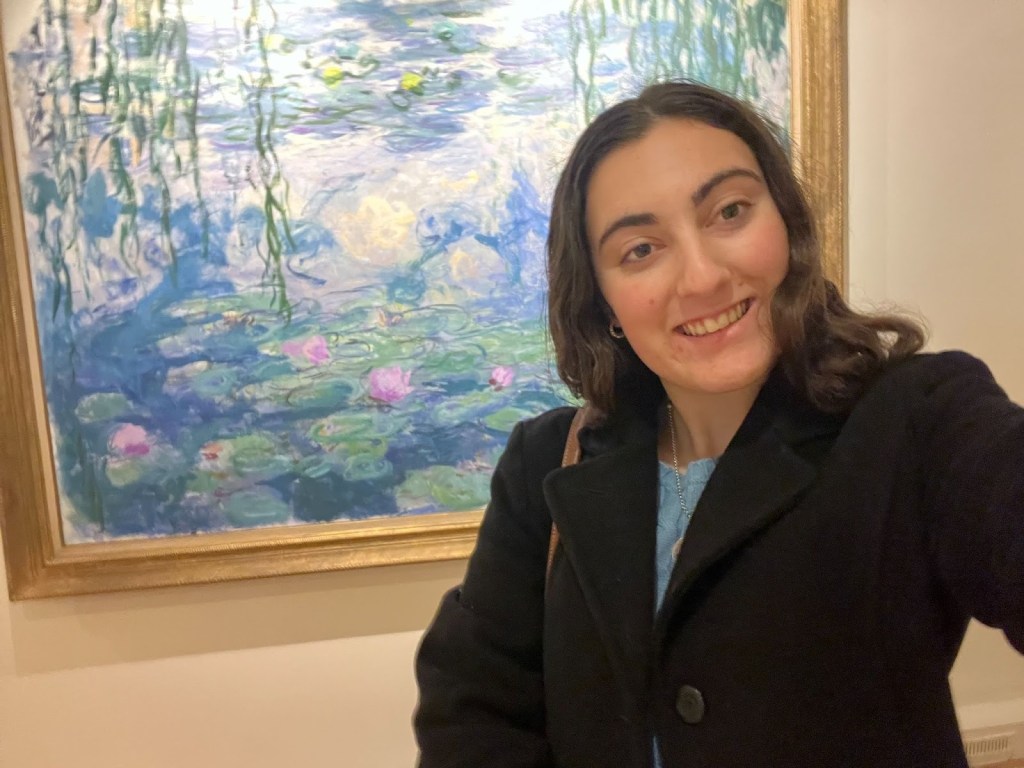
This was the museum I visited for my class project and one of my favorites in Paris. It has an incredible collection of Monet’s works on the lower floor, a temporary exhibition space, and an upper-floor room dedicated to Berthe Morisot, a female Impressionist painter. I especially like that it has a clear viewing order and can be visited in about an hour while still feeling satisfying.
Musée Rodin (7th arrondissement)
I am not usually drawn to sculpture, but I have to admit this was a very impressive museum. In my opinion, the gardens were the highlight.
Fondation Louis Vuitton (Bois de Boulogne)
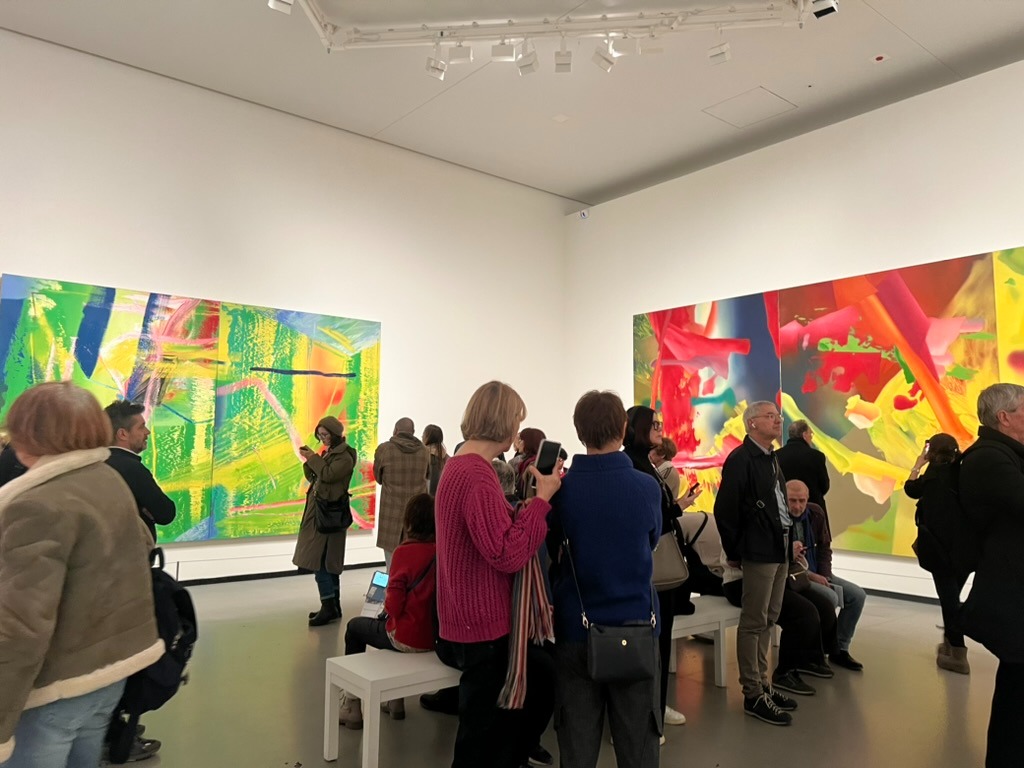
This museum is farther west in the city and is enormous. It hosts temporary exhibitions rather than a collection of Louis Vuitton fashion. When I went, I saw works by Gerhard Richter, a German abstract artist.
Grand Palais (8th arrondissement)
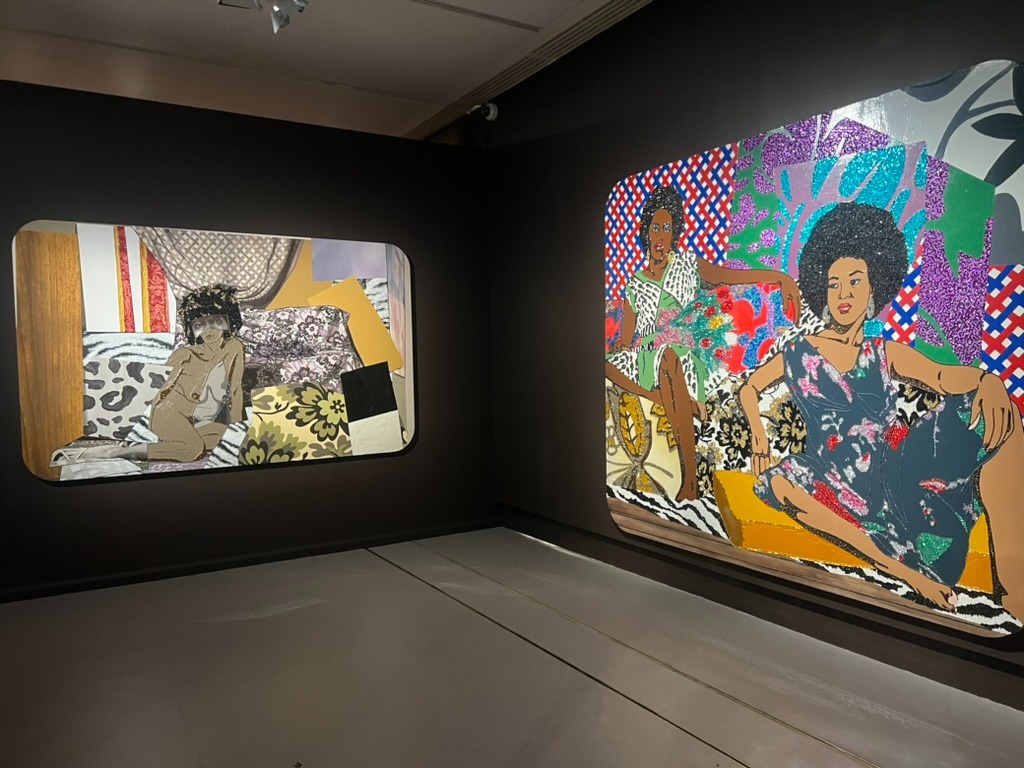
This venue hosts temporary exhibitions and is in a great location. I saw a collection by American artist Mickalene Thomas and later a Matisse exhibition. Both were excellent.
La Galerie Dior (1st arrondissement)
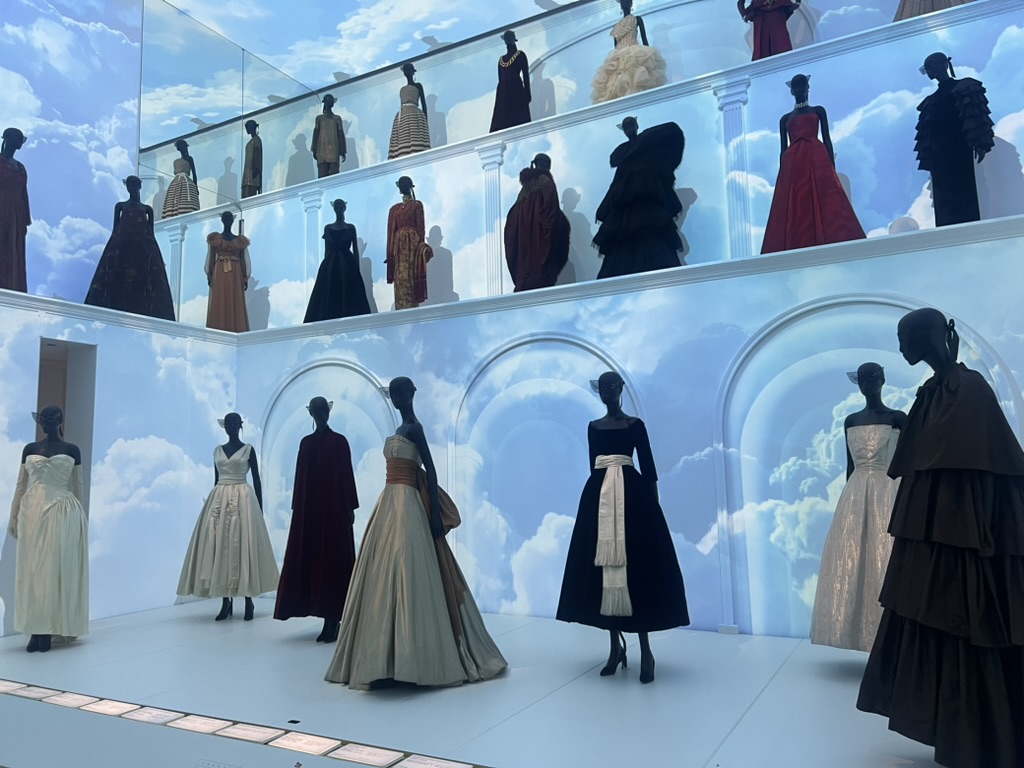
This is a beautiful museum highlighting Christian Dior’s work throughout history. Each room has a different color palette, and the dresses are exquisite.
Louvre Museum (1st arrondissement)
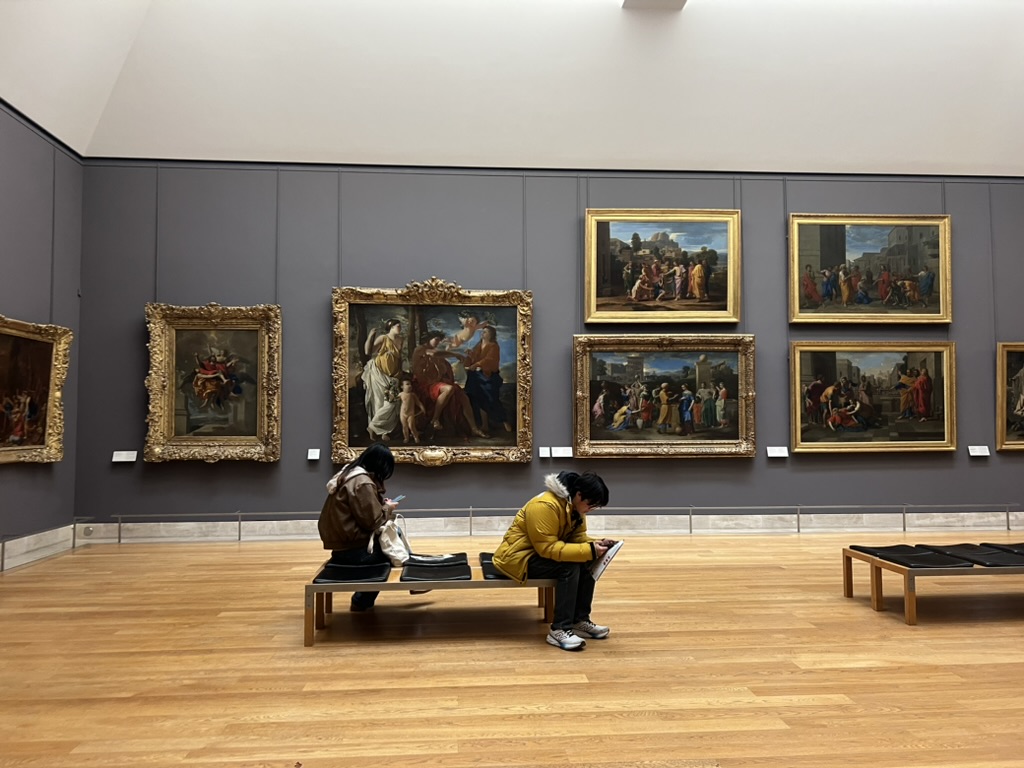
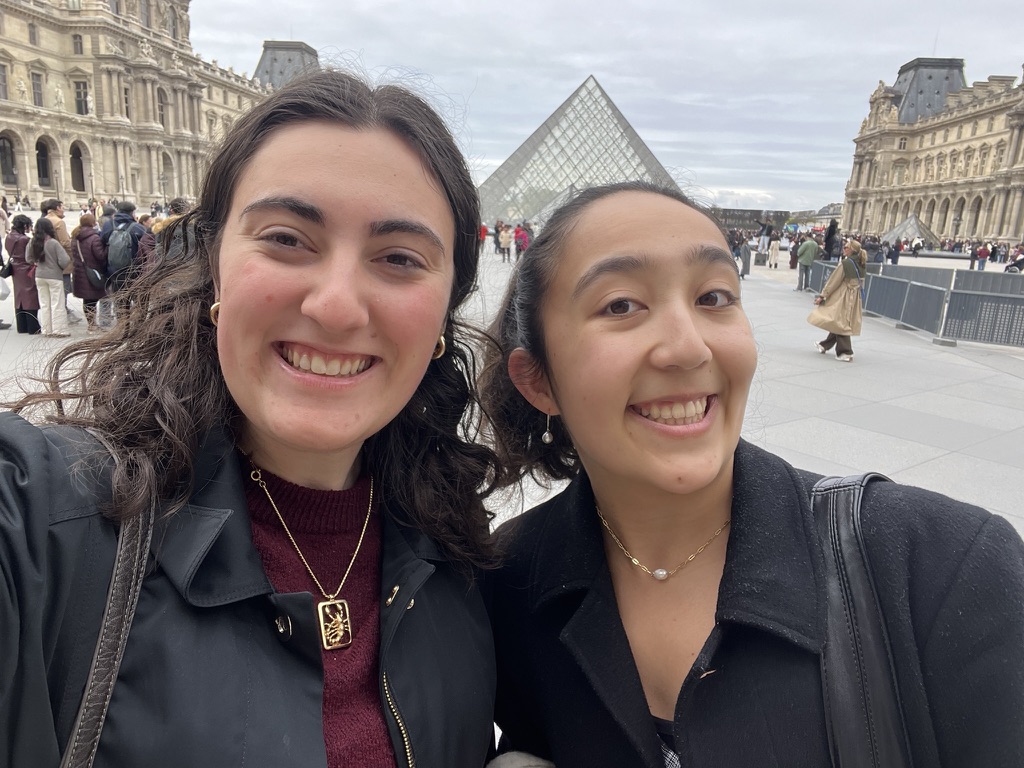
The Louvre is obviously world-famous and impressive, especially with the Mona Lisa. However, I found it a bit overwhelming and less focused on the types of art I personally enjoy most, such as Impressionism.
Palais Galliera (16th arrondissement)
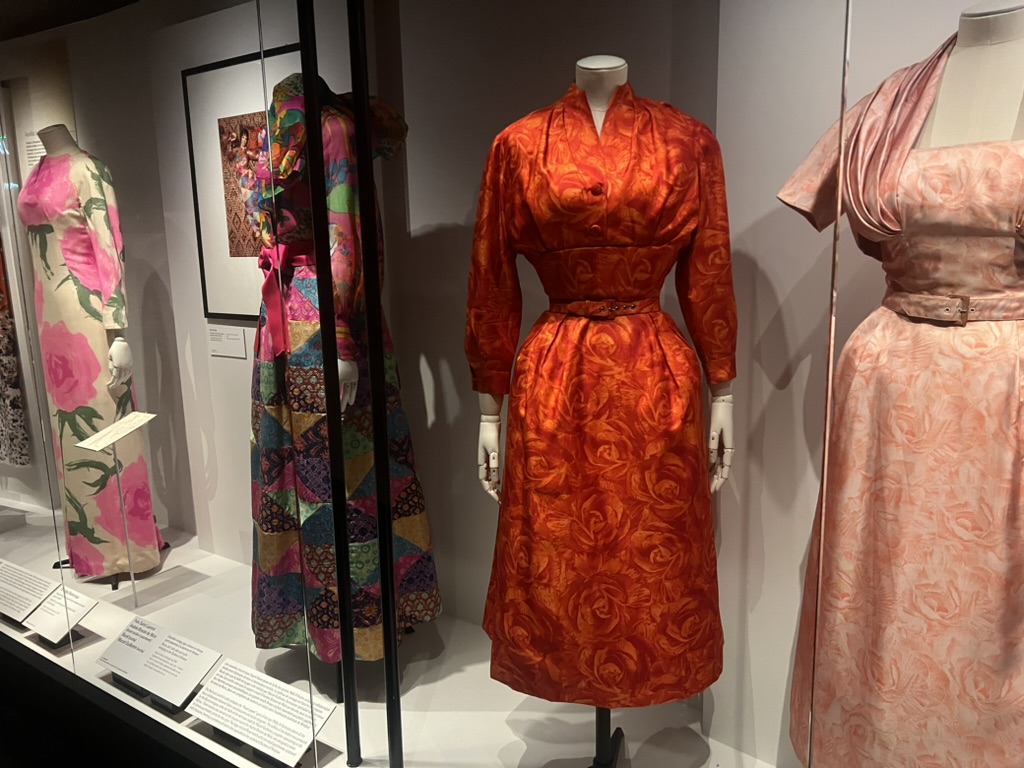
Formerly the Museum of Fashion of the City of Paris, this museum is home to collections of eighteenth-century attire and accessories, highlighting materials, style, and embroidery. It is not too large and is a great place to visit after class.
Musée de l’Orangerie (1st arrondissement)
This museum is quite small, but Monet’s Water Lilies do not disappoint. There was also an interesting exhibition on the ground floor. I would recommend booking tickets in advance.